Paws, Moult and Moisture: Restoring a Dog-Friendly Cabin Before Winter
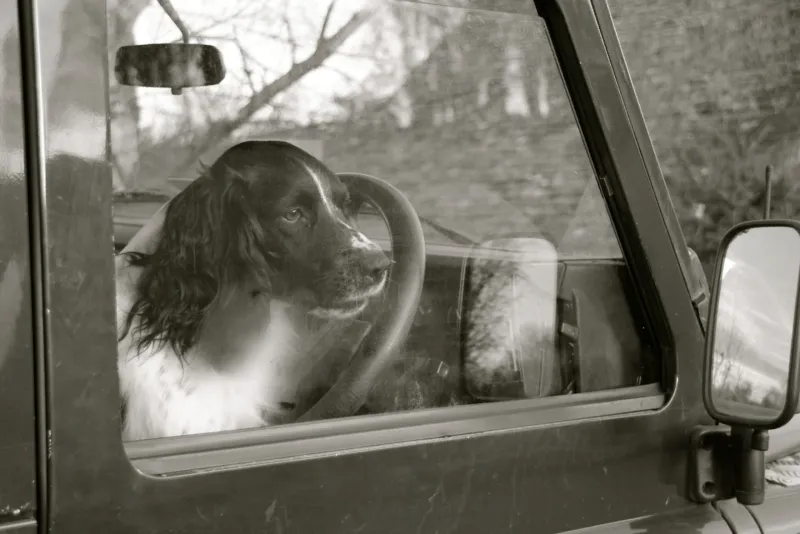
As November settles in and the latest wet walks begin to leave their mark, drivers who use the car as dog transport face a familiar problem. The cabin does not merely look untidy. It holds hair in the weave of the seats, moisture in the boot lining and a persistent smell that reappears whenever the heaters are switched on. Treating the cabin as a simple case of surface dirt will not solve any of those issues. Dog mess is a fibre-and-moisture problem, and a successful valet must remove the source rather than cover it with fragrance.
Begin with a photographic record, not a rinse
Before any product is applied, photograph the interior as it stands. Open the boot and capture the edges of the liner, the seams where carpet meets trim and the area beneath the parcel shelf. Photograph the rear seat bases, the crevices between cushions and the door cards where a dog may have pressed a wet muzzle. Take a close image of the seatbelt stalks and the floor beneath the mats. These images serve two purposes. They provide an honest before-and-after comparison, and they reveal the areas that a quick vacuum would miss.
Note the odour at the moment the doors are first opened. A smell that is strongest at the boot usually points to damp liner material or trapped hair beneath it. A smell that grows stronger when the heater runs may indicate a cabin filter that has absorbed pet odours. Recording these observations prevents guesswork later.
Remove hair while it is dry
Hair is the first fibre problem to address. Wetting dog hair before removing it simply drives it deeper into the fabric and makes it cling. Work in dry conditions, preferably under cover, and begin at the top of the cabin. Use a rubber brush or a stiff but not sharp brush to gather loose hair from the seats and carpets. A vacuum with a crevice tool should follow, working slowly across the fabric rather than making quick passes.
Rubber mats should be lifted out before vacuuming beneath them. Shake them away from the car, then brush both sides. If the mats are heavily coated, rinse them with a mild pet-safe cleaner and allow them to dry flat and completely before refitting. A damp mat returned to the car will undo much of the work by adding moisture back into the cabin.
The boot liner deserves the same treatment. Remove it, clean beneath it and inspect the spare-wheel well or storage compartment if the vehicle has one. Hair and grit collect at the edges of liners, and a liner that is cleaned on its upper surface alone will continue to release odour from the material beneath.
Treat slobbered door cards as a cleaning problem, not a polishing problem
Door cards, lower trim and the backs of seats often carry dried saliva and muddy water. These deposits are best lifted with a microfibre cloth lightly dampened with a mild interior cleaner. The cloth should be turned frequently so that soil is removed rather than redistributed. Scrubbing too hard on textured plastic can push residue into the grain, while over-wetting the surface can introduce moisture into door pockets and electrical switches.
After cleaning, wipe the area with a clean, barely damp microfibre cloth and then dry it with a separate towel. Avoid applying glossy dressings to surfaces that a dog will contact. A matt, clean finish is easier to maintain and less likely to transfer product onto paws or coats.
Address odour at the source
Odour control is where many cabin valets fail. A strong air freshener may make the car pleasant for an hour, but it does not remove the hair, moisture or organic residue that caused the smell. Clean the source first: the boot liner, the carpet beneath it, the seat fabric and the door cards. If a wet vacuum is available, use it carefully and sparingly, following the manufacturer's instructions for the fabric. Do not soak the seats or carpets in an attempt to flush out odour.
A dedicated odour neutraliser designed for automotive interiors can be used after cleaning, but it should not be relied upon as a substitute for removal. Leave the car to air thoroughly with the doors open in dry weather, and check that the cabin filter is not overdue for replacement. In severe cases, a second clean of the boot area may be more effective than any additional fragrance.
Complete the after record and set a winter habit
The final stage is to photograph the same areas captured at the beginning. Compare the boot edges, the seat bases and the door cards. The difference should be visible not only in colour but in texture: fabric that is free of matted hair, trim that is dry to the touch and a cabin that smells clean rather than perfumed.
For the wet months ahead, keep a towel and a spare microfibre cloth in the boot. Shake out rubber mats weekly, vacuum the boot edges monthly and allow wet liners to dry fully before they are returned to the car. A dog-friendly cabin is not one that has been masked with scent. It is one where hair has been lifted, moisture has been removed and the fibres have been given a chance to dry.