Before the Gritters Roll: A 2026 Guide to Winter-Proofing Paint and Alloys

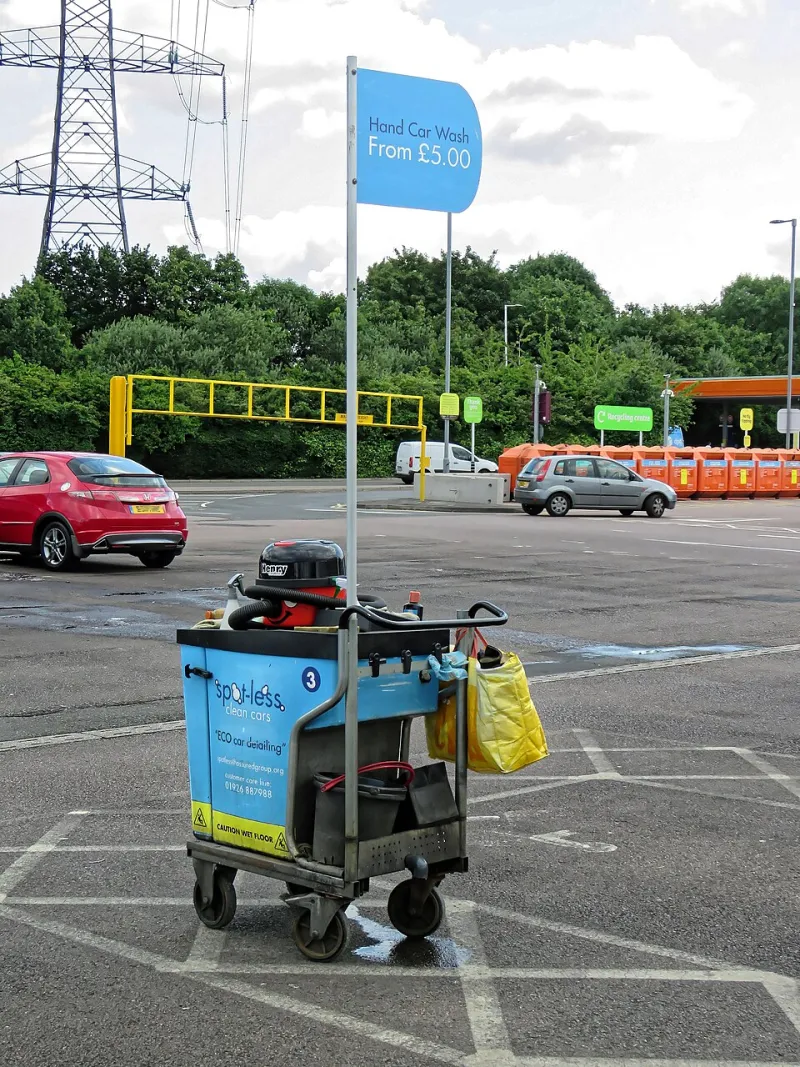
Photo: Gareth James , CC BY-SA 2.0, via Wikimedia Commons
By early November, highway authorities across the UK are loading grit bins, servicing spreaders and watching forecasts. The first widespread frost is rarely announced far in advance, and the rock salt that keeps arterial routes open begins its work on paint, alloys and underbody metal almost immediately. Salt is hygroscopic: it pulls moisture onto surfaces and keeps it there, extending the time a panel stays wet. Trapped between a wash mitt and a painted arch, grit becomes an abrasive. The result is not usually dramatic corrosion overnight, but a steady decline that shows up as dulled lacquer, bloomed alloy faces and seized fasteners by February. A pre-winter valet is therefore a maintenance appointment, not a cosmetic one, and a mobile service can complete it at home before the gritters become a familiar sight.
Why the Salt Window Is Shorter Than Drivers Expect
Many drivers assume that a single wash after the first salting is enough. In practice, salt brine migrates into seams, wheel-arch liners and the cavities around sill trims, where a sponge cannot reach. Repeated wetting and drying cycles concentrate the solution. Brake lines, subframes, suspension arms and exhaust hangers are all vulnerable, particularly on older vehicles that have already lost some factory protection. The aim of a pre-winter valet is to remove the summer's contamination, inspect the vulnerable areas and apply a protective layer before the salt has a surface to cling to.
Start With the Undercarriage, Not the Roof
A thorough undercarriage rinse is the first meaningful step. A low-pressure lance, angled carefully, should flush wheel arches, sills, the lower radiator support, suspension components and the area around the fuel tank and exhaust. High pressure directed at brake lines, electrical connectors or CV boots can do more harm than good. Where a vehicle has visible mud or autumn leaf debris trapped in arch liners, a pre-soak with a pH-neutral cleaner will soften it before rinsing. This is also the moment to check for chipped underseal, missing arch liners and blocked drainage channels.
Wheels and Alloys: The First Casualty
Alloy wheels often show salt damage before the bodywork does. Brake dust is metallic and, combined with salt and moisture, can bake onto wheel faces and behind spokes. A proper wheel-face decontamination uses an iron fallout remover, a tar remover where needed and soft, flexible brushes that reach behind the spokes without scratching lacquer. Acid-based brighteners should be avoided on modern finishes. Once clean and dry, a wheel sealant makes future salt removal considerably easier. Tyre dressing should be kept off the tread and applied sparingly.
A Paintwork Sequence That Suits Cold Weather
Cold, damp conditions are not ideal for polishing, but they are perfectly workable for cleaning and protection. The sequence should begin with a snow foam pre-wash to lift loose grit, followed by a two-bucket wash with a pH-neutral shampoo. Tar spots and iron contamination can be treated panel by panel, and a clay bar or clay mitt should be used only where the paint feels rough after washing. A panel wipe removes residual oils before a sealant is applied. Door shuts, sills, the fuel flap, boot lid edges and the leading edge of the roof are easily missed and are exactly where salt collects.
Sealant, Wax or Ceramic: What Winter Actually Requires
The best winter protection is the most durable hydrophobic layer the paint can support. A spray sealant applied to a clean, dry panel offers a practical balance of ease and durability, and it can be topped up monthly. A wax may suit a garage-kept classic, but it requires more frequent attention. A ceramic coating offers longer service life, but it demands thorough preparation and should not be applied over contamination. Glass should receive a rain-repellent treatment, and exterior trim benefits from a dedicated dressing to reduce salt staining.
The Post-Drive Routine That Preserves the Shine
The most effective winter habit is a brief rinse after driving on treated roads, particularly around the arches, sills and lower doors. A full wash is not necessary every time. A rinseless wash can be used on lightly soiled panels with the correct pre-treatment and plenty of clean microfiber towels. Cold glass should never be hit with hot water. Screen wash should be checked weekly, mud flaps inspected, and the car dried properly around door edges and mirrors to prevent freezing.
A Pre-Winter Checklist for UK Drivers
- Rinse and inspect the undercarriage, arches and sills.
- Decontaminate wheel faces and apply a wheel sealant.
- Wash, decontaminate and protect the paintwork.
- Clean door shuts, fuel flap, boot edges and window rubbers.
- Apply glass repellent and check wiper blades.
- Top up screen wash and check tyre pressures.
- Confirm mud flaps and arch liners are secure.
- Book a monthly maintenance valet through the winter.
A mobile valeting appointment before the first gritting run is the simplest way to start the season with a clean baseline. It also makes the post-drive rinse quicker and more effective. Showroom shine is easier to preserve than to restore, and the coldest months are when that distinction matters most.