Beyond the Passing Place: Managing Mud, Mulch and Grit on a Rural Driveway
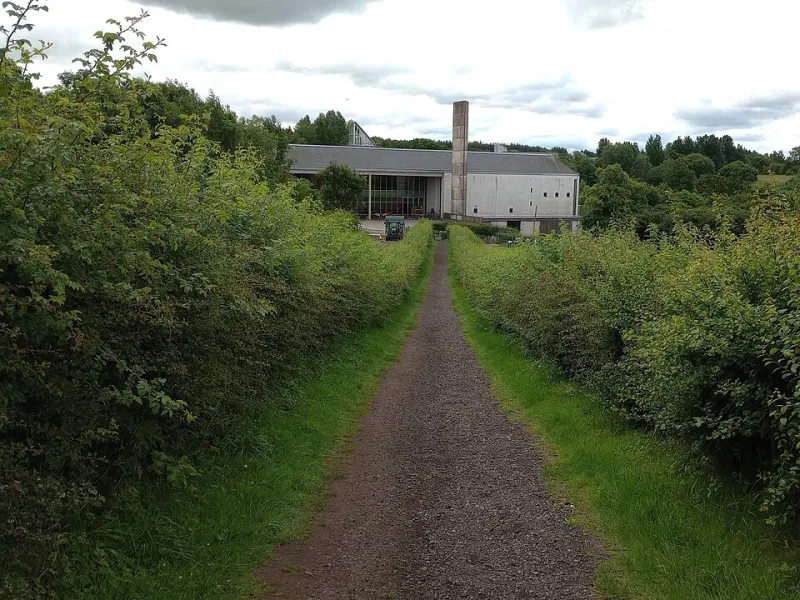
Photo: Jim Smillie , CC BY-SA 2.0, via Wikimedia Commons
Rural driveways ask different questions of a valet. On a paved suburban drive, the main enemy is usually a thin film of road grime. Where the tarmac gives way to gravel, concrete tracks or a farm-adjacent apron, the car comes home with a skirt of mud, a beard of leaf mulch and an underbody packed with grit. The mud line along the sills is not merely cosmetic. It is a record of where the vehicle has been, and it is a prompt to clean in a different order.
As autumn turns to winter in 2026, drivers on single-track lanes and shared farm access roads face a familiar pattern. A morning errand can mean passing a hedge cutter, a tractor leaving a field or a puddle that has been quietly collecting leaves for a fortnight. The result is a vehicle that looks dirtier than the mileage suggests, and one where the most important cleaning work happens low down, out of sight.
Read the Mud Line Before Reaching for a Sponge
The mud line is the band of deposit that gathers along the lower doors, sills, wheel arches and rear bumper. On a rural car it often has a layered structure: coarse grit at the bottom, finer silt above it and a dark stain of leaf tannins where wet foliage has pressed against the paint. Cleaning from the roof downwards may seem logical, but it risks carrying that abrasive lower-layer material onto panels that were previously clean.
Start by identifying the worst areas. Rear arches usually collect more than front arches because the rear wheels trail through spray. Mud flaps, the inner lips of arches, the tailgate shut lines and the area around a towbar are all reservoirs. So are the door sills, particularly where a car has been parked under trees. A torch is useful here; so is a willingness to kneel down before the wash rather than after it.
Pre-Rinse from the Ground Up
A pre-rinse should begin at the lowest point and work upwards. Use a garden hose with a fan nozzle, or a pressure washer held at a respectful distance. The aim is to soften and displace the bulk of the deposit, not to force it into seals or electrical connectors. Keep the jet away from wheel-speed sensors, suspension boots and any exposed wiring in the arches.
Work one wheel arch at a time. Rinse the arch lip, the mud flap and the lower sill, then move to the next corner. A dedicated wheel-arch brush can help with the inner lip, but it should not be used on paint. If the deposit is thick, allow the water to soak for a few minutes and repeat. Patience at this stage reduces the amount of contact later, and contact is what creates swirl marks.
Once the lower quarters have been dealt with, rinse the rest of the car from the bottom up. This may feel counterintuitive, but it prevents dirty water from drying on the upper panels while the arches are being cleaned. A pH-neutral pre-wash or snow foam is optional; on a rural driveway, the mechanical action of a gentle rinse and a good soak often does more useful work than a strong chemical.
Leaf Mulch, Field Spray and the Quiet Contaminants
Wet leaves are not just visual clutter. They hold moisture against paint and trim, and the grit that comes with them is abrasive. Remove leaves by hand before washing, particularly from the scuttle panel, the wiper recess and the gap between the bonnet and wings. These areas can block drainage and send dirty water into places that are difficult to dry.
Field spray is a less predictable contaminant. A fine mist from agricultural work can settle on paint and glass, and it may not look like much until it is rubbed. If a deposit does not behave like ordinary mud, do not test it with a dry cloth. Rinse cautiously, use a dedicated microfiber that can be laundered afterwards, and avoid spreading the material across the rest of the vehicle. Where there is any suspicion of a chemical residue, follow local advice rather than improvising a stronger cleaner.
The practical rule is to keep lower-body tools separate from upper-body tools. A wheel-arch brush, a sill mitt and a bucket for the lower panels should not migrate to the bonnet. This is not fussiness. It is a simple way of stopping abrasive grit from being carried into the paintwork.
Carpets Without a Soggy Cabin
Muddy boots and wet mats are part of rural life, but a cabin does not need to be soaked to be cleaned. Remove rubber mats and shake them out well away from the car. Vacuum the carpets dry before introducing any moisture. A dry vacuum lifts grit and leaf fragments that would otherwise turn into a paste.
For light soiling, use a barely damp microfiber and work in small sections. For heavier marks, a dedicated carpet cleaner applied sparingly is better than a bucket of water. A wet vacuum can be useful, but it is not a licence to flood the footwell. The aim is to leave the carpet damp rather than wet, then ventilate the cabin with the doors open or the windows down while the work continues.
Rubber mats should be washed separately, rinsed thoroughly and left to dry flat before they go back in. Do not dress pedals or any surface that a foot will touch. In November, a dry cabin is also a safer cabin: moisture trapped under mats can fog glass and encourage that familiar damp smell.
The Underside and the Grit of November
Grit is abrasive when wet and salt is corrosive when it stays put. A low-pressure flush of the underbody, sills and inner arches is a sensible part of any rural valet, particularly after a run on treated lanes. Avoid directing high pressure at brake lines, fuel lines or electrical components. A gentle, moving rinse is enough to displace loose material without disturbing protective finishes.
Allow the car to dry with good airflow. A short drive on a dry road can help warm the brakes and clear residual moisture, but avoid leaving the vehicle parked with wet arches for days. If the driveway is shaded and the car is unlikely to dry naturally, a mobile valet with drying equipment may be the more realistic option.
When the Driveway Wins
Rural valeting often runs into practical limits: a narrow gate, a soft verge, no outdoor tap, or runoff that should not be sent towards a drain. A mobile valet can bring its own water and equipment, but access still needs to be agreed in advance. Gate width, turning space, overhead cables and livestock are all worth mentioning at booking. So is the surface itself, because a gravel drive can swallow water and a concrete apron can send it somewhere less welcome.
For drivers who value a consistent finish, a mobile service is also a way of avoiding the stop-start clean that happens when the weather turns. A planned visit can combine the underbody rinse, the lower-panel decontamination and the cabin reset in one session, rather than leaving the mud line to harden until the next dry Saturday.
A Realistic November Rhythm
Not every rural car needs a full valet every week. A brief rinse of the arches and sills after a muddy lane, a shake of the mats and a check under the wheel arches will prevent most of the worst buildup. A deeper clean once a month, with the carpets properly dried and the underbody flushed, is a sensible rhythm for the season. The mud line will return, but it need not become a permanent feature of the paintwork.