The Examiner’s Eye: Preparing a Car for MOT Day Without Crossing the Line
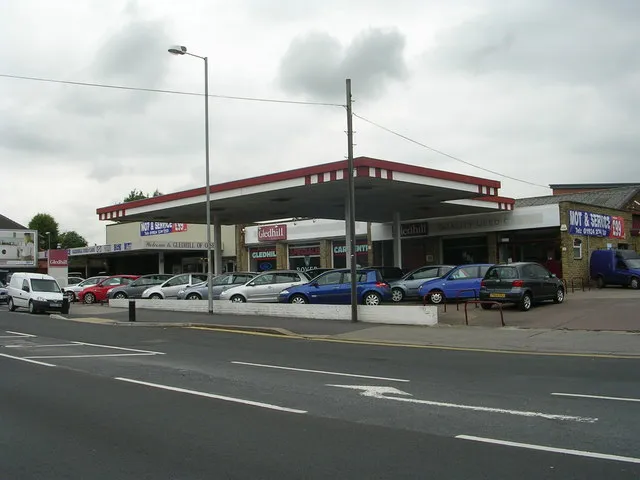
Photo: Betty Longbottom , CC BY-SA 2.0, via Wikimedia Commons
An MOT appointment is a test of the car, not of the valeter. Yet the condition in which a vehicle arrives at the test station has a quiet influence on how easily it can be examined. Road film on a number plate, misted glass, a footwell full of shopping and a boot packed with garden waste do not change a car’s roadworthiness, but they can slow an inspection and obscure the very components the examiner needs to see. A pre-MOT valet, properly understood, is therefore an exercise in clarity. It is not a cosmetic advantage, and it should never become an attempt to disguise a fault.
Why presentation matters to an examiner
A tester works through a defined sequence of checks, and many of those checks depend on a clear line of sight. Number plates must be legible. Lamp lenses must transmit light properly. Mirrors and glass must allow an unobstructed view. Seatbelts, seat mountings and interior controls need to be reachable. Even the boot and cabin can matter where access is required to inspect structure, battery security or other components. A car that is clean in the right places is simply easier to assess.
This is particularly relevant in late 2026, when autumn weather has already laid a film of salt, wet leaves and grit across many UK driveways. A vehicle that has been used normally will carry that sediment into the test station. A modest clean before the appointment is a courtesy to the examiner and a sensible way to spot small issues before they become advisory items.
The legitimate pre-test clean
The useful work is straightforward and unglamorous. It begins with the exterior surfaces that affect visibility and identification: number plates, lamp lenses, reflectors, mirrors, windscreen, rear screen and side glass. Wipers should be lifted and cleaned, and the screen wash reservoir should be topped up with a suitable concentration for the season. In November, a weak mix is easily found out by a cold morning or a salted motorway.
Inside, the cabin should be cleared rather than merely tidied. Loose items should be removed from footwells, seats and the dashboard. A vacuum of carpets and mats will reveal whether a damp patch is present, and it will allow seat runners and belt anchorages to be seen. The boot should be emptied of anything that is not genuinely required for the journey, so that the examiner is not asked to work around bags, tools or recycling. This is also an opportunity to check that the spare wheel, jack and warning equipment are present and secure, where the vehicle carries them.
The exterior wash itself should be a normal safe wash. There is no need for a full decontamination or a machine polish before an MOT. A gentle hand wash, a clean rinse and a careful dry are enough to remove the film that hides defects. Wheels and tyres should be cleaned with a mild product, not dressed with a glossy coating that could make a sidewall crack or a slow puncture harder to see.
Where preparation ends and concealment begins
The ethical line is not complicated, but it is worth stating plainly. Preparation makes a defect visible; concealment makes it harder to find. A valeter may clean a number plate so that it can be read. A valeter must not rearrange characters, fit a smaller plate or use a tinted cover to alter its appearance. A valeter may clean a lamp lens so that the bulb and reflector can be seen. A valeter must not fit a temporary film, over-bright bulb or improvised repair to disguise a defective unit.
The same principle applies throughout the car. Cleaning a wheel arch is acceptable; painting over corrosion or underseal failure is not. Wiping an engine bay cover is reasonable; steam-cleaning an engine to remove evidence of an oil leak before an MOT is not. Clearing a dashboard of clutter is helpful; disconnecting a battery to extinguish a warning light, or using a diagnostic tool to clear a fault code without repairing the cause, is a deception that puts the driver and others at risk. A professional valeting service should decline that work, and a reputable mobile operator will say so at the point of booking.
What a mobile valet can do on the driveway
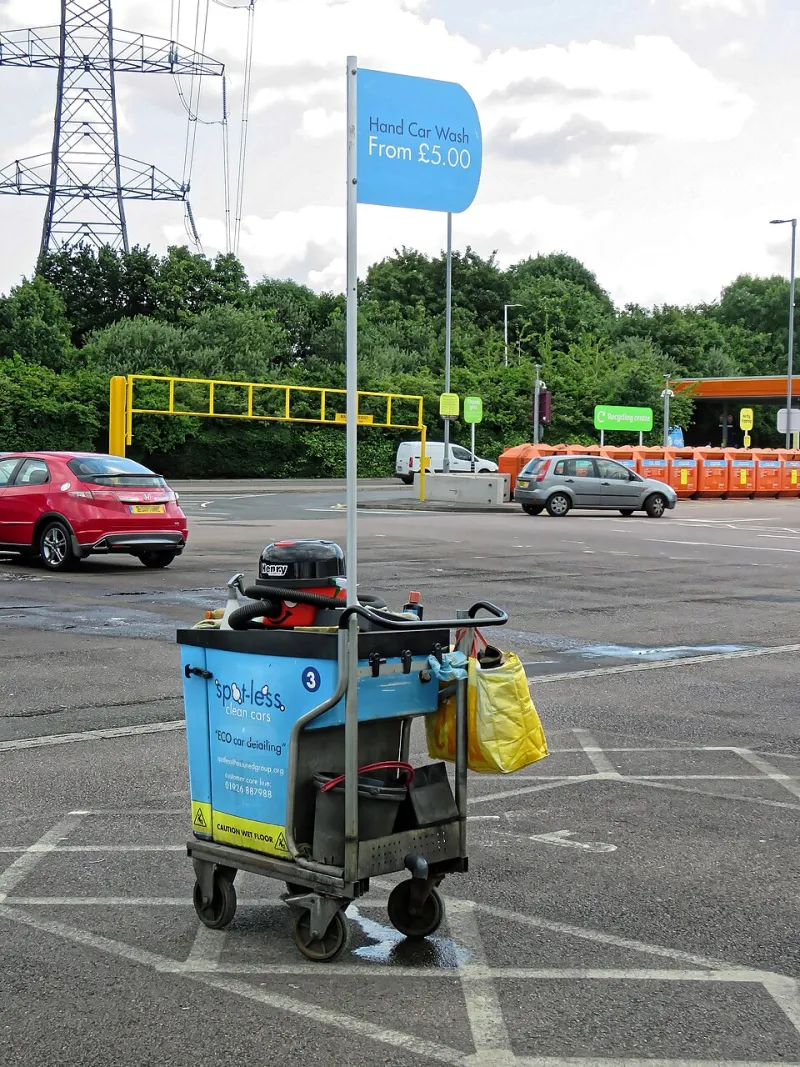
A mobile pre-MOT valet is well suited to the practical tasks that make an inspection easier. Working at the customer’s home, the operator can wash the exterior, clean glass and mirrors, attend to plates and lights, vacuum the cabin, clear the boot and top up screen wash. The best services also carry out a simple walk-around check and report visible issues to the owner without attempting repairs.
Timing matters. Booking the valet for the day before the test, rather than the morning of it, allows the car to dry and gives the owner time to act on anything that has been noticed. In late autumn, when daylight is short and the roads are gritty, a driveway valet also avoids a further journey to a static wash bay. The vehicle can be presented clean, dry and accessible without adding unnecessary miles.
A sensible sequence for the week before
Begin with the cabin and boot, because clutter tends to migrate outwards once cleaning starts. Remove everything that does not belong in the car. Vacuum the footwells, seats and boot floor. Next, wash the exterior using a safe two-bucket method, paying particular attention to the lower panels where salt and mud collect. Clean the glass inside and out, then attend to the number plates and lamp lenses. Check the screen wash and top it up. Finally, walk around the car in good light and look for cracked lenses, damaged plates, worn wipers or tyres that appear soft or damaged.
None of this replaces a service, a repair or a proper pre-MOT inspection by a qualified technician. It simply removes the layer of daily life that can make a sound car look neglected and a neglected car look sound. The examiner’s eye is experienced, and it is not easily fooled. The purpose of a pre-MOT valet is to help that eye do its work, not to direct it away from the truth.