From First Rinse to Final Torch: A Realistic Timeline for a Driveway Full Valet
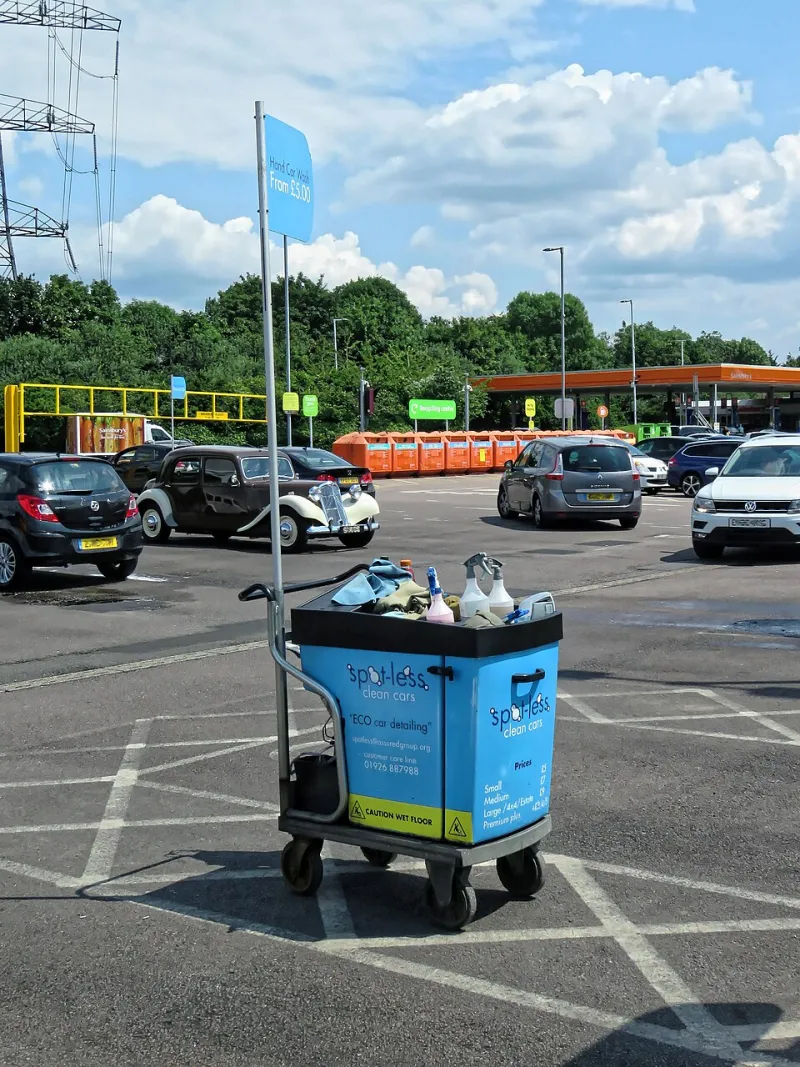
Photo: Acabashi, CC BY-SA 4.0, via Wikimedia Commons
The two-hour promise and the two-hour reality
A mobile full valet is frequently described as a two-hour service. That is a reasonable planning figure for a mid-sized family hatchback in fair conditions, but it is not a stopwatch guarantee. Duration depends on vehicle size, contamination, weather, access and the depth of interior work agreed. In 2026, with more UK drivers choosing driveway valeting over a forecourt trip, the useful question is not whether the job takes exactly 120 minutes. It is whether the sequence is honest, methodical and safe for the paint.
The best mobile operators work to a sequence rather than a countdown. They inspect before they wet the car, treat wheels before bodywork, and leave the final walkaround until the light is used properly. The timeline below is a realistic model for a well-presented but used family car. Larger vehicles, heavy winter salt, pet hair or badly soiled interiors will add time. A responsible valeter will say so before starting rather than rushing the last ten minutes.
Minute 0 to 10: arrival, access and setup
The van arrives, but the valet does not begin with a hose. The first task is access. The valeter checks where the vehicle is parked, whether the hose can reach without crossing a neighbour's path, and whether the working area is safe for equipment. Bins, planters and bicycles may need to be moved. On a shared driveway, this is also the moment to confirm that no other vehicle needs to leave during the service.
Setup includes laying out wash buckets, pre-wash equipment, drying towels and interior tools. If the customer has an outside tap, the hose route is checked for trip hazards. If water or power is limited, the valeter should explain the constraint before work starts. This is not wasted time. It prevents interruptions later and protects nearby property.
Minute 10 to 20: the pre-wash inspection
A proper full valet begins with a dry inspection. The valeter looks at paint condition, stone chips, previous repairs, trim edges, badges, sensors, cameras and number plates. The purpose is not to appraise the car for sale. It is to identify areas that need gentler treatment or should be avoided altogether. A loose trim strip, a smart repair or a wrapped panel changes the method.
The inspection also sets expectations. Existing swirl marks, etching from bird droppings or lacquer peeling will not disappear with a standard valet. A genuine service should distinguish between dirt that can be safely removed and defects that require machine polishing or bodyshop attention. This is one of the clearest markers of a professional operation in 2026.
Minute 20 to 45: wheels and arches first
Wheels are treated before the bodywork because they carry the heaviest contamination. Brake dust, road film and winter salt are dealt with using wheel cleaners, brushes and careful agitation. The valeter should avoid dragging the same mitt or brush from wheels to paint. Arch liners and callipers receive attention according to the agreed service, but sensitive finishes and aftermarket wheels require restraint.
In cold weather, this stage can take longer. Wheel cleaners react more slowly, and the valeter may need to work in smaller sections to prevent product drying. On an exposed driveway, wind can chill hands and equipment. A rushed wheel stage is often where damage begins, so extra minutes here are usually a sign of care rather than inefficiency.
Minute 45 to 80: pre-wash, contact wash and rinse
The bodywork receives a pre-wash to soften road film before any contact. This may be a snow foam, a traffic-film remover or a carefully applied rinse, depending on the vehicle and the operator's method. The aim is to reduce the dirt load before a wash mitt touches the paint. Two-bucket washing, clean mitts and a pH-neutral shampoo remain the sensible baseline for a driveway service.
The wash follows a logical order: roofs and upper panels first, lower sections and sills last. The valeter should rinse promptly and avoid letting shampoo dry in direct sun or wind. In exposed conditions, this stage may be split into sections. Cold water and low temperatures can make drying slower, while early dusk in November reduces the time available for a careful final inspection. A two-hour window is useful, but it should never be used to justify skipping the rinse or rushing the lower panels.
Minute 80 to 100: safe drying and exterior finishing
Drying is a paint-care step, not a formality. The valeter should use clean drying towels or filtered air, working from the cleanest panels to the dirtiest. Door shuts, mirrors, badges and wheel faces are checked for trapped water. Glass is cleaned with a separate cloth. Tyres may be dressed if included, but dressing should be applied neatly and not flicked onto paint or brakes.
This is also when trim and plastics are addressed. A good finish looks even rather than glossy in the wrong places. The valeter should avoid slathering dressing over sensors, camera lenses or number plates. The final exterior pass is about consistency and safety as much as shine.
Minute 100 to 120: interior, glass and final walkaround
The interior stage can be the most variable. A basic full valet may include vacuuming, dashboard wipe-down, interior glass and mats. A deeper service may cover boot, crevices and stain treatment. Pet hair, child seats and heavy soiling add time. The valeter should confirm what has been agreed rather than assuming every full valet includes every possible interior task.
At the end, the vehicle receives a final walkaround. This should happen with the customer if possible. The valeter checks glass, panel gaps, wheel faces and interior touchpoints. A torch or phone light is useful in low autumn light. The customer should be shown what has been done and told about anything that has been left alone for safety reasons. That conversation is part of the service, not an afterthought.
Why cold or exposed driveways change the clock
A driveway is not a heated studio. In cold conditions, products can work more slowly, drying towels can become damp quickly and the valeter may need to change water more often. Wind increases the risk of spray drift and premature drying. Low sun can hide or reveal defects, which is why the final walkaround needs proper light. None of these factors should be used as an excuse for poor work, but they do explain why a genuine two-hour valet can become two hours and twenty minutes.
In 2026, the fair test is not the fastest finish. It is whether the operator inspects first, treats wheels separately, washes with clean methods, dries with care and walks the car with the customer at the end. A showroom shine delivered to the driveway is achieved by sequence and patience, not by watching the clock.