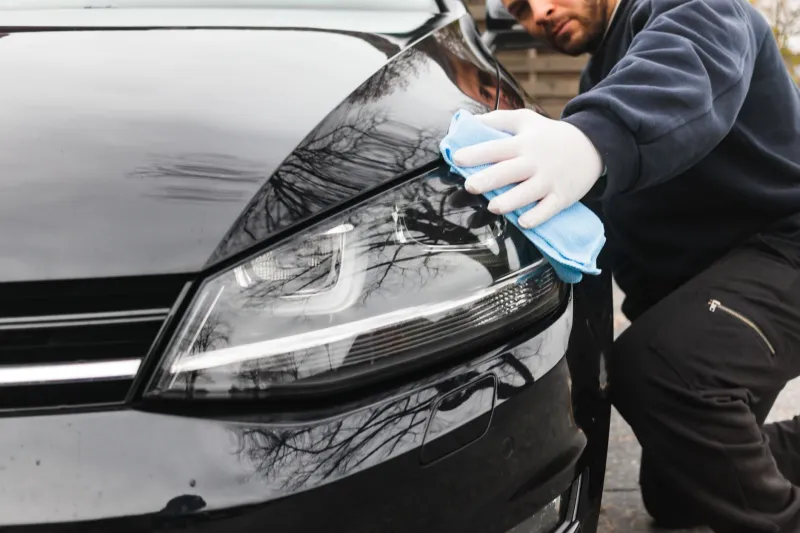
The Festive Freight: Preparing a Car for Tree Collection, Wet Parcels and Muddy Boots
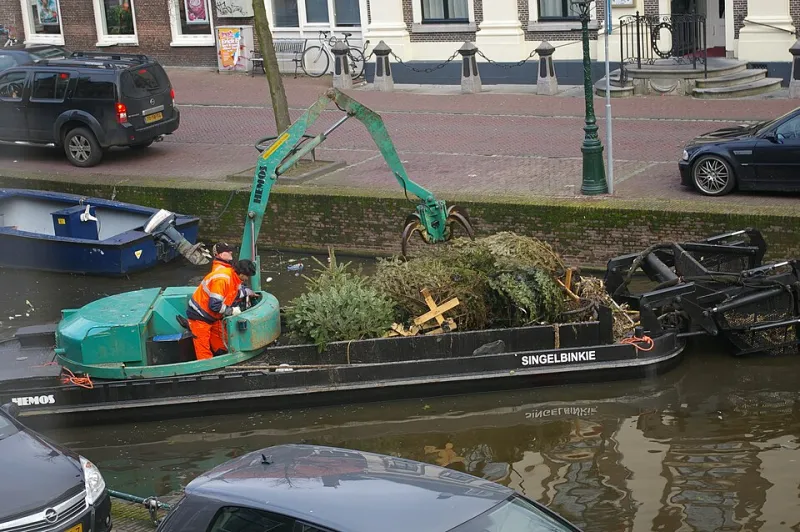
Photo: debs-eye, CC BY 2.0, via Wikimedia Commons
Collecting a Christmas tree is one of December’s most deceptive errands. The journey may be little more than a few miles to a garden centre or farm, but the cargo is awkward, abrasive and capable of leaving a mark long after the decorations have come down. Add wet parcels, muddy boots and a car full of passengers, and the festive run becomes a genuine test of cabin discipline. As late November 2026 gives way to December, a little preparation will protect paint, carpets and trim without turning the outing into a military operation.
Before the engine turns: a five-minute protection plan
The most effective measures are also the least complicated. Before leaving the driveway, assemble a small kit: a fitted boot liner or heavy-duty tarp, an old towel or moving blanket, a lidded plastic box for wet items, a few microfibre cloths, gardening gloves, a soft brush and dustpan, and a refuse sack for the tree’s netting. A pH-neutral car shampoo and a proprietary tar-and-glue remover should be kept to hand for the return journey, not discovered only after resin has cured onto the tailgate.
Line the boot before the first parcel goes in. A liner with a raised lip is preferable, but a tarp folded to create a shallow tray will contain needles and meltwater. Protect the load lip and rear bumper with a towel or blanket; this is where trees are most often dragged across paint. If the rear seats are to be folded, cover the seat backs and the gap between the boot floor and cabin. Secure anything that could slide under braking.
The tree itself: netting, wrapping and a sensible route home
Ask the supplier to net the tree. Netting reduces the spread of needles and makes the tree easier to lift without scraping branches along the car’s flanks. If the trunk is wet or sappy, wrap it in a towel or a section of old blanket before loading. Lift the tree rather than dragging it; two people are better than one, particularly around a tight driveway or a busy garden-centre car park.
For a saloon or hatchback, fold the rear seats where possible and feed the tree trunk-first, with the cut end resting on the protected boot floor. For an SUV or estate, keep the tree low and strapped so that it cannot roll into the cabin. Avoid closing the boot lid onto branches as a way of holding the tree in place. The pressure can distort seals and trim, and the movement on the road may do more damage than a short walk with the tree would have done.
Roof transport is best left to properly fitted bars and a padded load, not improvised straps over painted panels. If a roof rack is used, tie the tree securely and check the fixings before joining traffic. A tree that shifts at a roundabout is a hazard to everyone, not merely a threat to the paintwork.
Sap, resin and the first ten minutes after unloading
Unload the tree before attending to anything else. Once it is out of the car, inspect the boot lip, rear bumper, side glass and any trim that came into contact with branches. Fresh sap is easier to remove than cured resin, so the first ten minutes matter. Do not scrape it with a fingernail, a bank card or an abrasive pad. These remove the contamination and, all too often, a little lacquer with it.
Soften the deposit with warm water and pH-neutral car shampoo. Allow it to dwell for a minute or two, then lift it with a soft microfibre cloth. For stubborn spots, use a tar-and-glue remover that is labelled safe for clearcoat, applying it to the cloth rather than pouring it onto the panel. Work in a small area, rinse thoroughly and reapply wax or sealant to the cleaned section. On textured plastic trim, use a trim-safe cleaner and a soft brush; aggressive solvents can leave a chalky patch that is far more noticeable than the original sap.
Needles: carpets, seat rails and ventilation
Pine needles are designed to travel. They lodge in carpet pile, slide under seat rails and find their way into ventilation grilles. Begin by removing loose mats and shaking them outside, away from the car. Vacuum the carpets with a crevice tool, using a rubber brush to loosen needles from the pile. Do not use an air line to blow them around the cabin; that simply redistributes the problem into places that are harder to reach.
Seat rails and the tracks beneath them deserve particular attention. A soft brush and a vacuum nozzle will remove most debris, while a pair of tweezers can deal with the rest. Around vents, use a soft detailing brush and a vacuum held close to the bristles. Avoid poking objects into the grille. If a pine scent lingers after cleaning, inspect the pollen filter at the next service; a build-up of needles and leaf litter can affect cabin air quality and ventilation performance.
Damp gifts, muddy boots and the smell of pine
Wet parcels should travel in a lidded box or on a tarp, not on upholstery. Muddy boots are best changed before entry or placed in a dedicated tray. Rubber mats are easier to rinse than carpet mats, but they still need to be removed and dried after the trip. Damp carpets are the usual source of a musty cabin, and no pine air freshener will convincingly disguise that smell.
After the tree has been unloaded, ventilate the car on a dry day and dry any damp mats or towels before refitting them. A clean, dry cabin carries the scent of pine far better than a damp one. If the interior is genuinely wet, a mobile valet or a session with a wet-and-dry vacuum is preferable to simply turning up the heater and hoping for the best.
A thirty-minute driveway reset
A realistic recovery routine can be completed in half an hour if the car is not heavily soiled. Spend the first five minutes removing the tree, netting, mats and loose debris. Use the next ten minutes to vacuum carpets, seat rails and the boot, paying attention to the corners where needles collect. Reserve five minutes for spot-cleaning sap from paint and trim, then five minutes for glass and touchpoints. Finish by drying the load area, ventilating the cabin and checking that no branches remain trapped in seals or hinges. If resin has cured or the cabin is wet through, treat the task as a longer valeting job rather than rushing it.
The pre-trip checklist
- Fit a boot liner or tarp and protect the load lip.
- Cover folded seat backs and the gap between boot and cabin.
- Take a lidded box for wet parcels and a tray for muddy boots.
- Ask for the tree to be netted and wrap a damp trunk.
- Carry gloves, microfibres, pH-neutral shampoo and tar remover.
- Secure the tree so that it cannot move under braking.
- Keep the cabin ventilated on the return journey.
The festive errand is not a reason to treat the car as a skip. With a liner, a blanket and a little patience at the point of loading, the tree can be delivered, the parcels can be dried and the cabin can be returned to order before the first mince pie is opened. The reward is a car that smells of pine for the right reasons, and paint that has not been asked to pay for December’s convenience.