The First Ten Metres: Presenting a Used Car for a Late-Autumn Private Sale
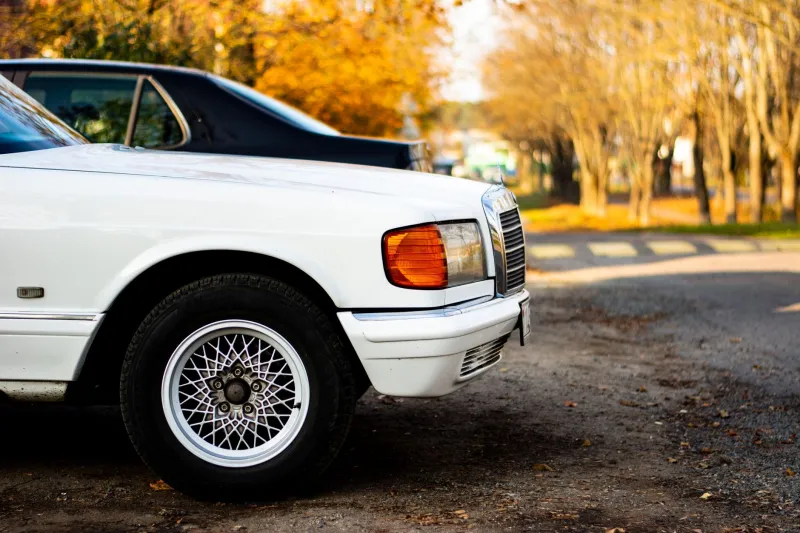
Private car sales in late autumn are rarely conducted in ideal conditions. A buyer may arrive after a long drive, in drizzle, with the light already fading and the kerb lined with wet leaves. By the time they step out of their own car, they have formed a view of yours. The purpose of a pre-sale valet is not to manufacture a showroom car from a used one. It is to remove the distractions that make a sound car look neglected, and to present it in a condition that matches the advert and the asking price.
What the buyer sees before the door opens
A buyer's first impression begins at roughly ten metres, not at the driver's seat. From that distance they will notice the overall stance of the car, the clarity of the glass, the colour of the wheels and whether the number plates are legible. Road film is particularly heavy in November, especially on the lower doors, the rear hatch and the wheel arches. A car that is otherwise well maintained can look tired simply because it has not been rinsed since the last gritting run.
Before a viewing, clear leaves from the scuttle panel, the windscreen drains and the area around the boot lid. Clean the plates and the light lenses. Check that the mirrors are free of smears and that the wipers park correctly. If the car is parked on a driveway, position it so that the buyer can walk around it without stepping into a puddle or brushing against a hedge. These are small considerations, but they set the tone for a negotiation that is often more emotional than either party expects.
Paint and glass: photograph-ready, not masked
The paintwork that matters most in a private sale is the paintwork a buyer can see at waist height and below. Lower doors, sills, wheel arches and the leading edge of the bonnet collect the worst of autumn road spray. A careful wash, a tar-spot remover where needed and a light application of wax will improve the car's appearance without pretending that stone chips and car-park marks do not exist.
Avoid the temptation to use a heavy glaze or a cheap colour-matched pencil immediately before a viewing. Such products can look acceptable in a photograph and conspicuous in daylight. A buyer who spots a hastily filled chip will begin to wonder what else has been covered up. A clean, dry car with honest imperfections is easier to sell than a glossy car that invites suspicion.
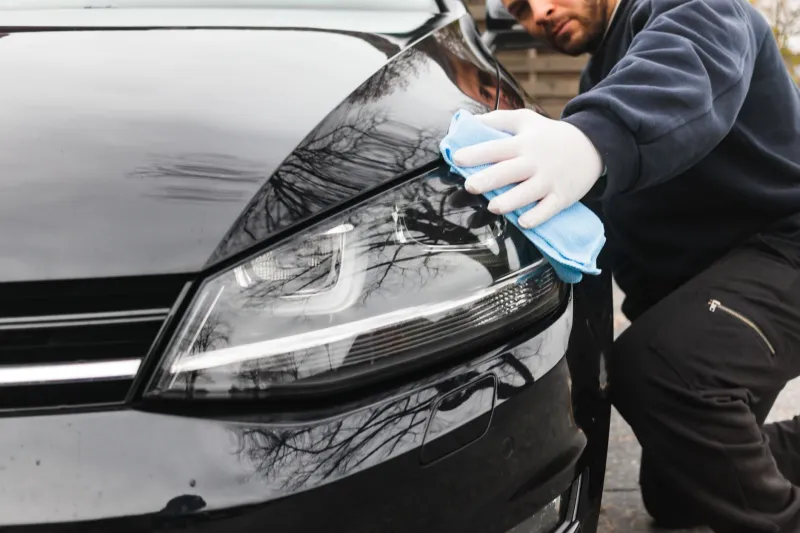
Glass deserves particular attention. Low autumn sun exposes every interior smear, and a buyer will often sit in the car with the engine off, looking through the windscreen while asking questions. Clean the glass inside and out, including the rear screen and the quarter lights. If the wipers smear, fit a new pair; it is a modest expense that improves the test drive and signals routine care. Headlamps should be clear and correctly aligned, and the number plates should be clean enough to read from a few paces away.
The cabin's first minute
When the door opens, the buyer receives a concentrated impression of the car's history. They will notice smell before they notice upholstery. Damp carpets, stale air-conditioning and pet odours are difficult to disguise and easy to distrust. Remove personal belongings, vacuum the seats and carpets, clean the door shuts and wipe the dashboard and centre console with a product that leaves no sticky residue. Pay attention to the boot floor, the spare-wheel well and the undersides of the mats. A dry, tidy cabin suggests that the car has been looked after; a heavily perfumed cabin suggests that something is being masked.
Do not overlook the details a buyer will touch. Clean the interior mirror, the seatbelts, the handbrake lever and the pedals. Clear out the glovebox of old receipts and personal documents, but keep the service history, MOT certificates and V5C ready for inspection. If a warning light is illuminated, address it or disclose it. A clean cabin is a courtesy, not a warranty.
Wheels, arches and the honest edges
Wheels are a useful indicator of how a car has been kept. Clean alloy faces and tyres, but avoid excessive tyre dressing that flings onto the bodywork on the test drive. Clear mud and leaves from the arches, and check tyre pressures and tread depths before the buyer arrives. If the tyres are close to the legal limit, say so; a buyer who discovers it later will question everything else.
Under the bonnet, restraint is advisable. A gentle wipe of accessible surfaces is reasonable, but a steam-cleaned engine bay on an older car can look like an attempt to hide leaks. Leave the fluids visible and the condition honest. The same principle applies to the boot: a clean boot is welcome, but do not conceal a damp spare-wheel well or a missing tool kit.
The line between clean and concealing
A valet removes dirt, leaves, salt and everyday use. It should not remove evidence of a fault, disguise a warning light or make a damaged component look new. If a carpet has been wet, dry it properly and mention it. If a seal is leaking, repair it rather than polishing around it. The distinction matters because private buyers are often more forgiving of an honest flaw than of a discovered deception.
Presentation should support the advert, not contradict it. If the photographs show a tidy interior, the viewing should confirm it. If the price reflects the car's age and mileage, the valet should make that price look reasonable rather than ambitious. A buyer who feels that the car has been prepared with care is more likely to negotiate politely and less likely to walk away over a minor blemish.
A realistic late-autumn timetable
Begin the main clean a week or so before photographs are taken. Wash and decontaminate the paint, clean the glass, vacuum the cabin and clear the boot. A day before the viewing, rinse the car, dry it properly and give the interior a final wipe. On the morning itself, allow half an hour for the glass, plates, mirrors, mats and a check for leaves and bird droppings. If a mobile valet is booked, choose a dry spell if possible and allow the car to stand under cover afterwards.
A private sale is not won by the shiniest car on the street. It is won by the car that looks cared for, drives as described and gives the buyer no reason to suspect a story. Empire Valeting Services treats a pre-sale valet as a presentation exercise with a firm boundary: clean what can be cleaned, disclose what cannot, and let the car speak for itself.